 500+ Google Reviews
 Fast + Free Delivery - orders over $250
Airwaves Newsletter, Archives, News
Airwaves Quarterly Newsletter Edition 2
Nov
Airwaves: Edition 2 - Published 2024
We’re excited to share airwaves Issue 2 with you!
In our latest offering, discover…
-
- an inspiring project by Melbourne’s Nightingale Housing
- HRV in the spotlight of reality TV, and
- accessible living, delivered by modular construction.
Project Showcase.
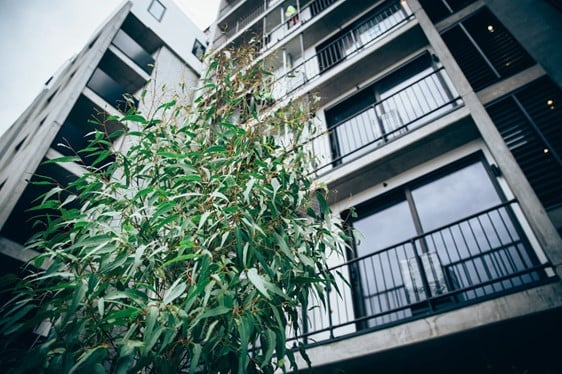
Nightingale Anstey: Sustainable, Affordable, Connected
Fanco supports socially conscious housing initiatives, working with construction innovators throughout Australia. Industry partner, Nightingale Housing is a clear frontrunner in this space with more than 411 apartments already built and 754 in the pipeline.
Leading not-for-profit property developers out of Brunswick, Melbourne, Nightingale Housing creates sustainable apartment projects built with smart thinking, green design principles and a beating social heart.
Apartment living is often defined by sleek finishes and the latest luxuries. In contrast, Nightingale takes efficient minimalist design and pares it back to the things that truly matter: practical comfort, convenience, and the warmth of connection and community.
At a time when housing prices are soaring and inner-city living is out of reach for many, the Nightingale mission is to build high-quality, affordable apartments; enable first home ownership and create carbon-neutral dwellings.
The Project
Nightingale’s recent apartment development, Anstey flanks Anstey Station in Brunswick, Melbourne.
Keeping apartment costs low
Typical of Nightingale projects, Anstey embraces affordable, sustainable design, and is built for housing people, and not for generating profits. Nightingale constructs homes for owner occupiers and discourages investors and speculators. Prospective buyers are selected by ballot to avoid a bidding process which could push prices up.
Designed by Breathe architects, Anstey provides a socially conscious apartment mix including a selection of Teilhaus apartments (compact studio-style dwellings), earmarked for first-home buyers, or those with limited means. These are cross-subsidised by larger two and three-bedroom apartments within the development.
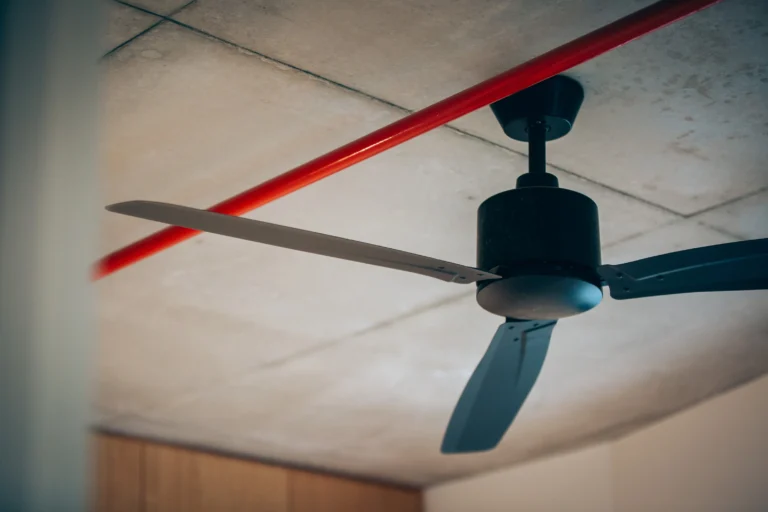
Interiors have electrical and plumbing fittings exposed, reducing material use and offering additional ceiling height to maximise open space.
Long-term costs are also an important consideration. Material choices and design are carefully resolved to minimise waste, deliver carbon-neutral outcomes, and reduce residents’ future energy needs.
Mastering carbon-neutral design
The key to Anstey’s sustainability lies in building low-cost apartments in convenient locations close to public transport and shops. This alleviates the need for car parking and connects residents with local services. Ample bike storage is also available on site
Anstey’s environmental credentials:
-
- Fossil fuel-free
- All-electric apartments
- Low energy and recycled building materials
- Average 8.9 star NatHERS rating (Nationwide House Energy Rating Scheme)
- Certified 100% GreenPower (with embedded electricity network, 22.44kW photovoltaic array on site)
- Green planting to enhance building and streetscape
The floor plan for each dwelling is reduced to the bare essentials with carefully planned shared facilities adding overall amenity.
Nightingale Anstey embraces passive design principles with effective insulation, double glazing and cross-ventilation off-setting the need for air-conditioning. Fanco’s Eco Motion Fans are an important part of the design and sustainability mix.
With elegant, modern styling complementing Anstey’s industrial aesthetic, Fanco’s Eco Motion Fans run on a quiet, energy-efficient DC motor in apartments designed for year-round comfort.
Connecting people
Apartment groupings are kept to a number where social connectivity is encouraged. Nightingale Anstey is a large block of fifty-four apartments, split into 2 smaller communities, each with their own entry.
Anstey features a shared rooftop with communal laundry, bathhouse, waste recycling room and veggie gardens. Shared communal facilities (including a guesthouse) help maximise living zones in individual apartments and offer residents opportunities to mingle.
The last word
Fanco is excited to be part of this leading housing initiative. We take our brand’s commitment to sustainable, affordable housing seriously – creating smart products which meet people’s needs and reduce our impact on the planet.
An eye on the future.
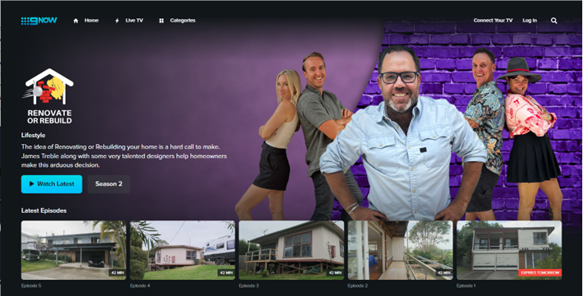
Renovate or Rebuild? CSIRO Smarts Meet Reality TV
In times where every dollar counts, the decision to upgrade your existing home versus building new is a hot topic for family discussion. Australian TV series ‘Renovate or Rebuild’ delves into the science and design choices behind this tough dilemma, and shares tips for making your home future-ready.
Australia’s CSIRO (Commonwealth Science and Industrial Research Organisation) works alongside series developers to inform and create awareness about sustainable approaches to home construction and design, and how energy-efficient products can save Australian families money and reduce your household impact on the environment.
Proud industry partnership
With CSIRO guiding the process, Fanco is a proud partner in the latest Renovate or Rebuild series, which is strongly aligned with our commitment to sustainability. Series 2 is currently airing, and features energy-efficient Fanco ceiling fans, exhaust fans, and heat recovery ventilation (HRV) systems.
Fanco is proud to be leading the way in energy-efficient air movement and ventilation products, and taking an educational role to help Australians make better decisions when upgrading their homes. We believe smart, functional technology can be both stylish and efficient, in keeping with contemporary home design trends.
One of the important approaches examined in Series 2 is the use of Heat Recovery Ventilation Systems (or HRV).
So, what is HRV? And why is it important?
For many families, Heat Recovery Ventilation systems are a new idea. As we build new, or seal and weather-proof our existing homes for greater energy efficiency, it’s important to consider our home’s air quality and the internal environment we live in.
With tightly sealed double (or triple) glazing and chilly winter days approaching, air quality can become poor and homes feel stuffy. Moisture and condensation levels can also build up with the use of cooking appliances, showers, and clothes dryers. Poor air quality can affect our mood, energy levels and general health. HRV systems help optimise our homes for healthful living.
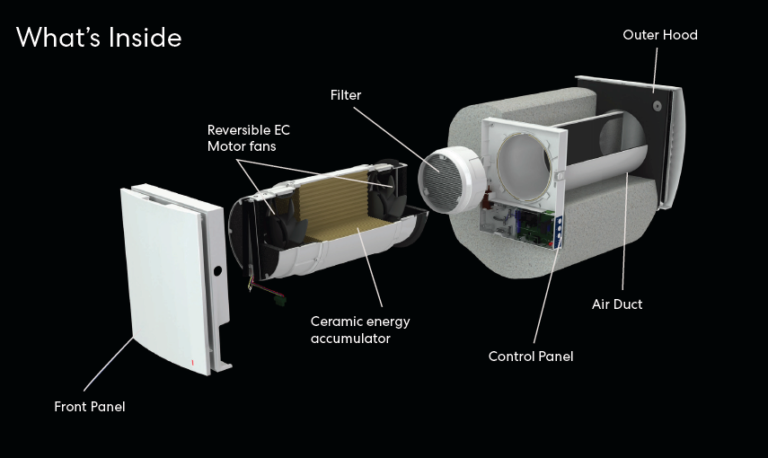
In simple terms, HRV systems circulate and renew internal air by sending stale warm air out, and drawing fresh filtered air in, while maintaining a comfortable interior temperature in the home.
How do HRV systems work? And minimise energy needs?
This highly energy-efficient system uses the existing heat from your home’s internal air to warm a ceramic core in the unit, which in turn, heats the fresh incoming air. The HRV system also removes excess moisture, preventing the growth of mould and mildew in your home.
To learn more about this healthful approach to air circulation, watch Series 2 Episode 4 of ‘Renovate or Rebuild’, which first aired on 23 March 2024. Or visit our Fanco website for more information.
Series 2 of ‘Renovate or Rebuild’ is currently showing on Channel 9, and past episodes are available for viewing on demand on 9Now until 26th June.
Watch our Episode 4 Segment below:
A World of Design.
Sharing the airwaves love around, each edition, we’ll shine the spotlight on a design project deserving your attention. Projects making big moves. Gaining respect globally. Leading the way in innovation and sustainability.
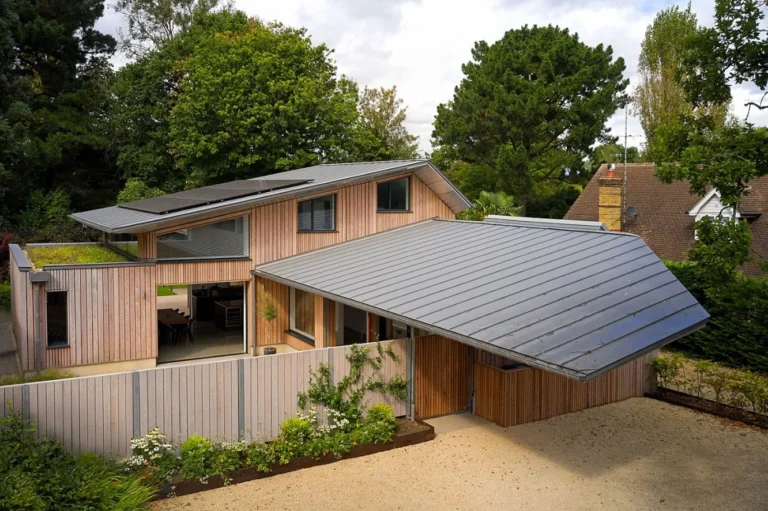
This month, our team’s pick is the Little Big House (Hertfordshire, UK).
Little Big House: A Lifetime of Accessibility
Our home is our sanctuary. And never is this truer than when life throws us unexpected challenges.
After a major accident, British artist, author and motivational speaker, Henry Fraser found himself paralysed from the shoulders down and in need of a fit-for-purpose home. A dwelling tailored to meet his individual needs. A home designed to live out a bright and vibrant future.
Along a sleepy rural lane in Hertfordshire, the Little Big House: a partnership between Fraser’s family; architects, Knox Bhavan; engineers, Price & Myers, and Blokbuild is the exciting result.
What we love about this project
Soon after the artist’s accident, KnoxBhavan stepped forward, pro bono, to oversee the design process. The architects explored the project options and settled on efficient, cost-effective modular construction, which suited both budget constraints and construction logistics.
The home could be manufactured off-site and assembled at its rural location where limited access and environmental impact were both considerations. Modular construction experts, Blokbuild worked alongside the engineers to achieve the design outcomes the Little Big House required, including clear roof spans of 7 metres and clever accessibility features. Rapid prototyping, developing and testing were essential to the project’s success.
Where the project shines
- Generous pro bono architectural services
- Cost-effective modular system (prefabricated timber cassette) – less materials wastage, high thermal performance
- Off-site manufacturing – lower environmental impact, faster speed of construction
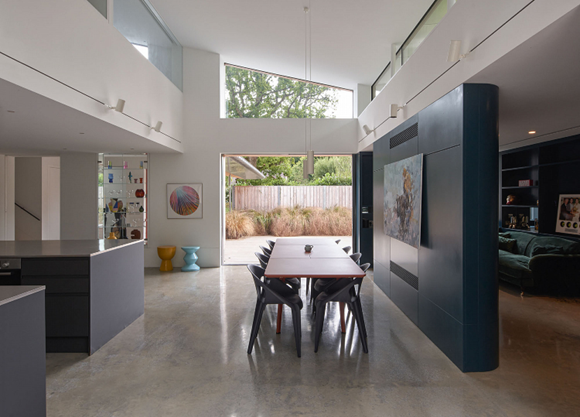
- Sensitive, accessible design – wheelchair access, cleverly concealed hoists, internal lift, live-in care accommodation
The Little Big House illustrates how effective collaboration between industry partners can yield brilliant results. Here, a small but mighty home delivers customised design and the ability for Henry Fraser to live his best life.
“The skills they have shown to create a house that is both stunning and accessible is remarkable and goes to show good design can make lives easier.” (Fraser)
Find out more about the Little Big House